AI Textile Consistency

CUT / REPEAT

How consistently can a fixed textile design survive across AI-generated fashion images?

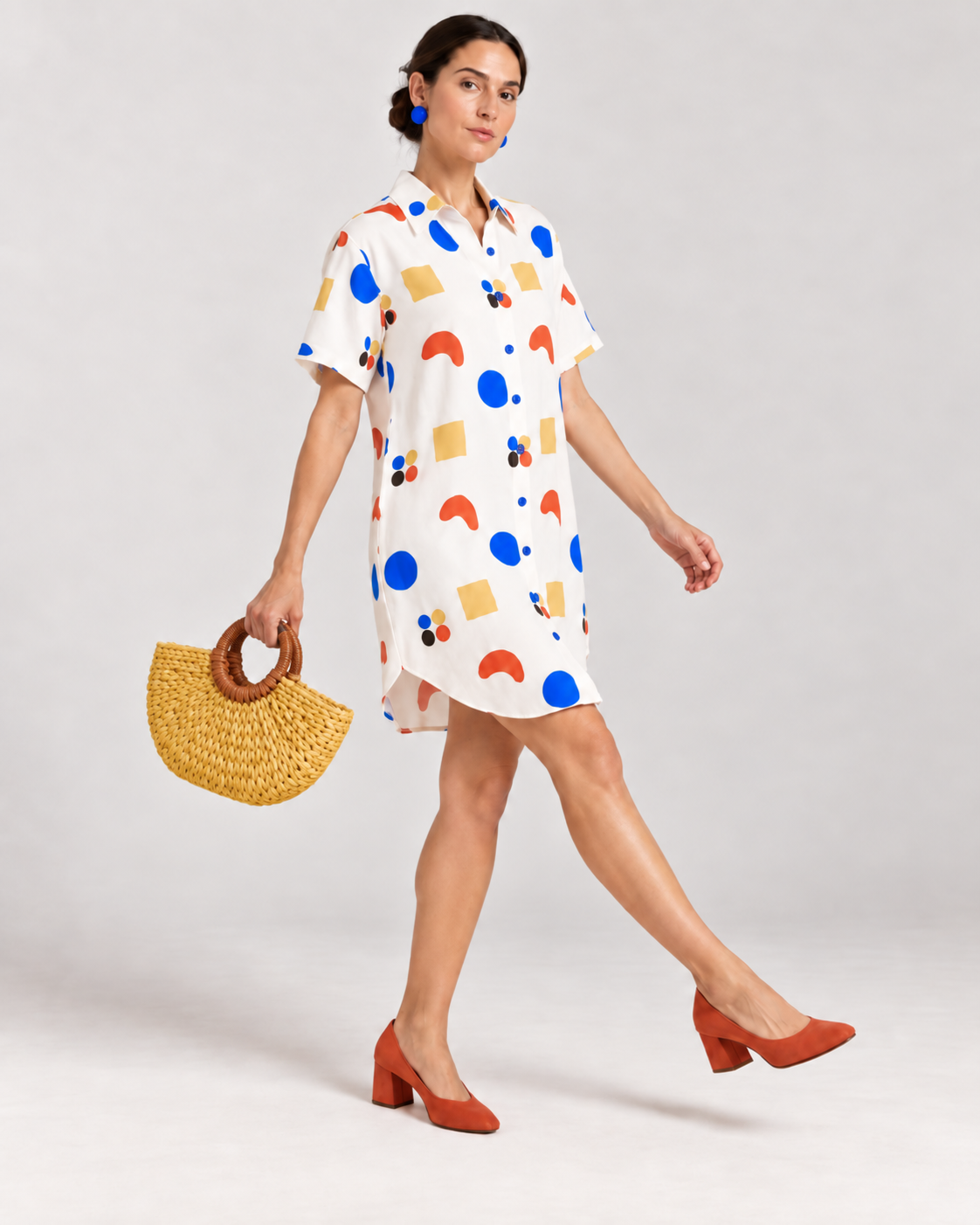
Walking shirt-dress in the CUT / REPEAT textile with a yellow handbag, full figure against a neutral studio background.
Final Hero Image

01

The Experiment

Cut / Repeat explores how consistently a fixed textile design can be carried across AI-generated fashion imagery. Rather than focusing only on producing a successful final image, the process tests what happens when a controlled textile reference is introduced across changes in pose, garment silhouette, styling and colour.

02

Building the Textile

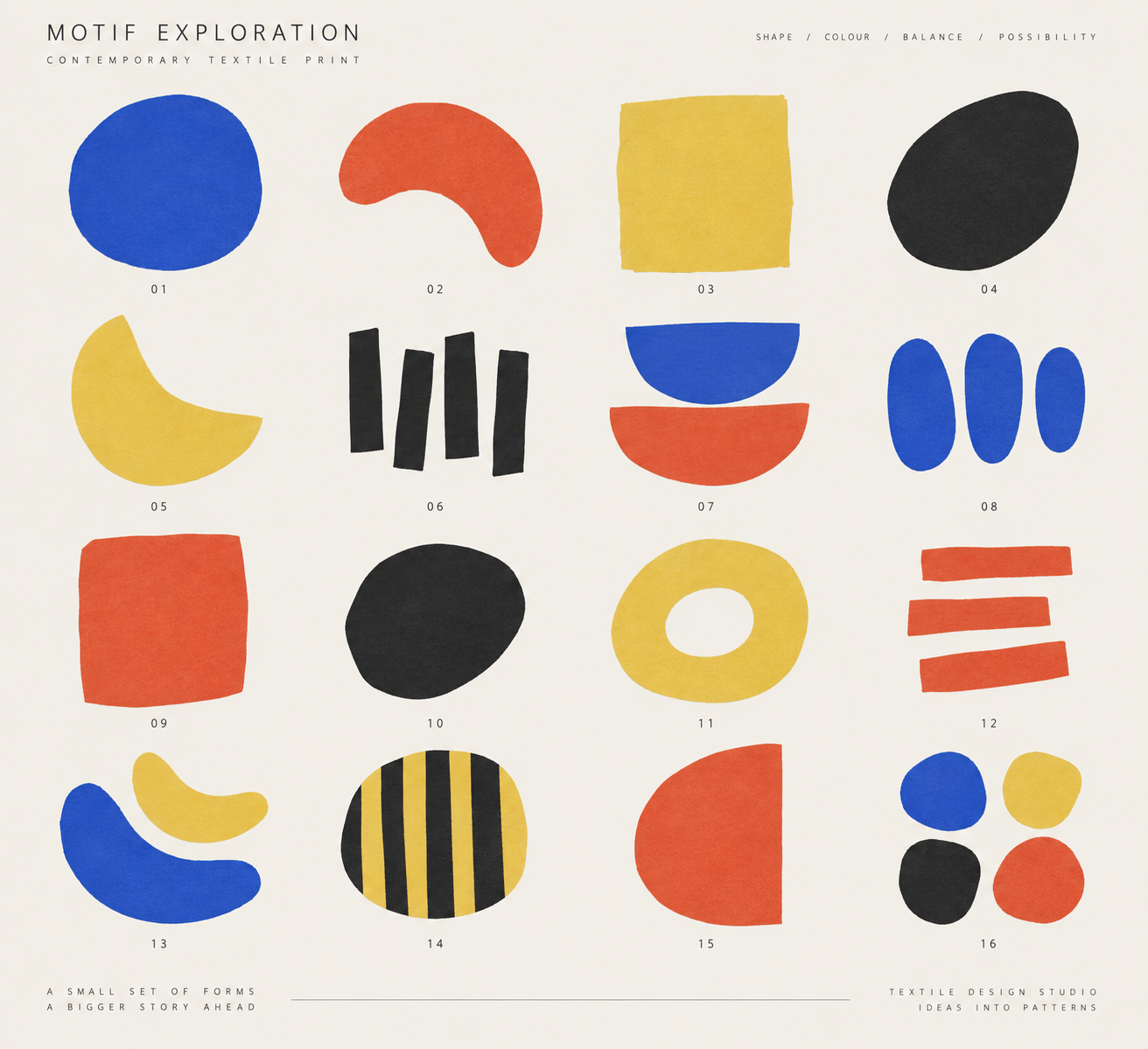
CUT / REPEAT exploratory motif sheet with sixteen painted geometric forms.
Motif Exploration
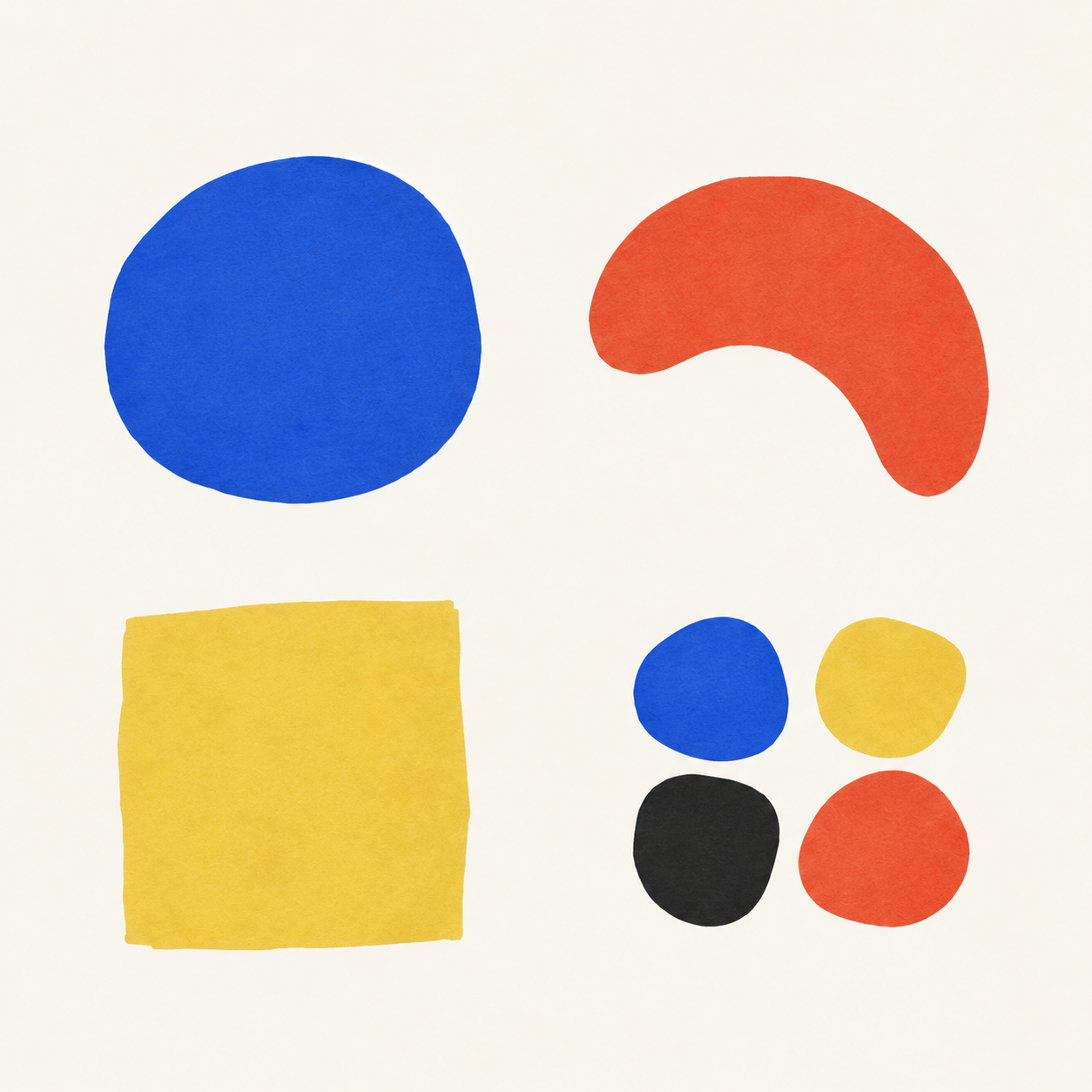
Four selected painted motif forms in blue, red, yellow, and black.
Selected Motifs
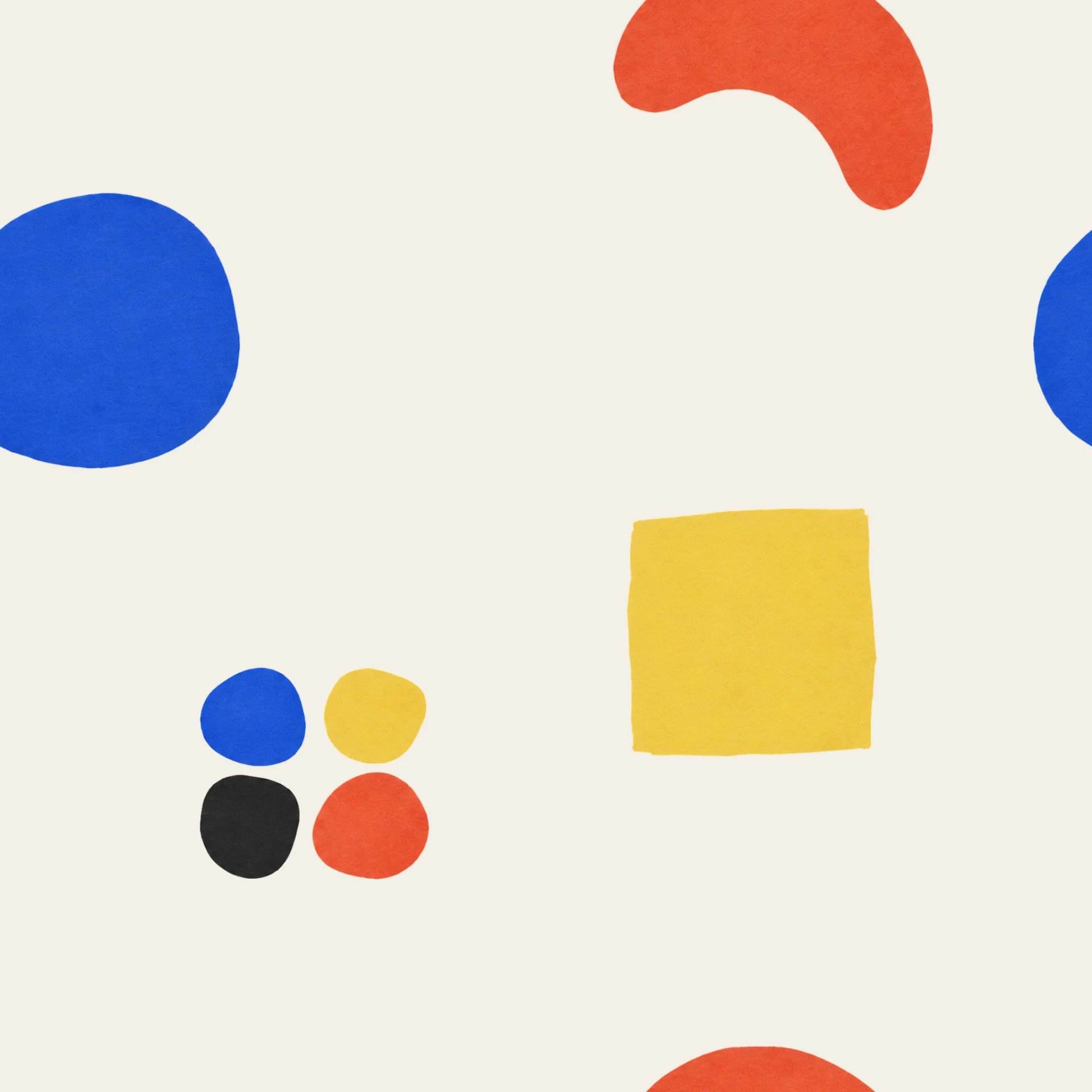
Master seamless repeat tile using the selected geometric motifs.
Master Repeat Tile
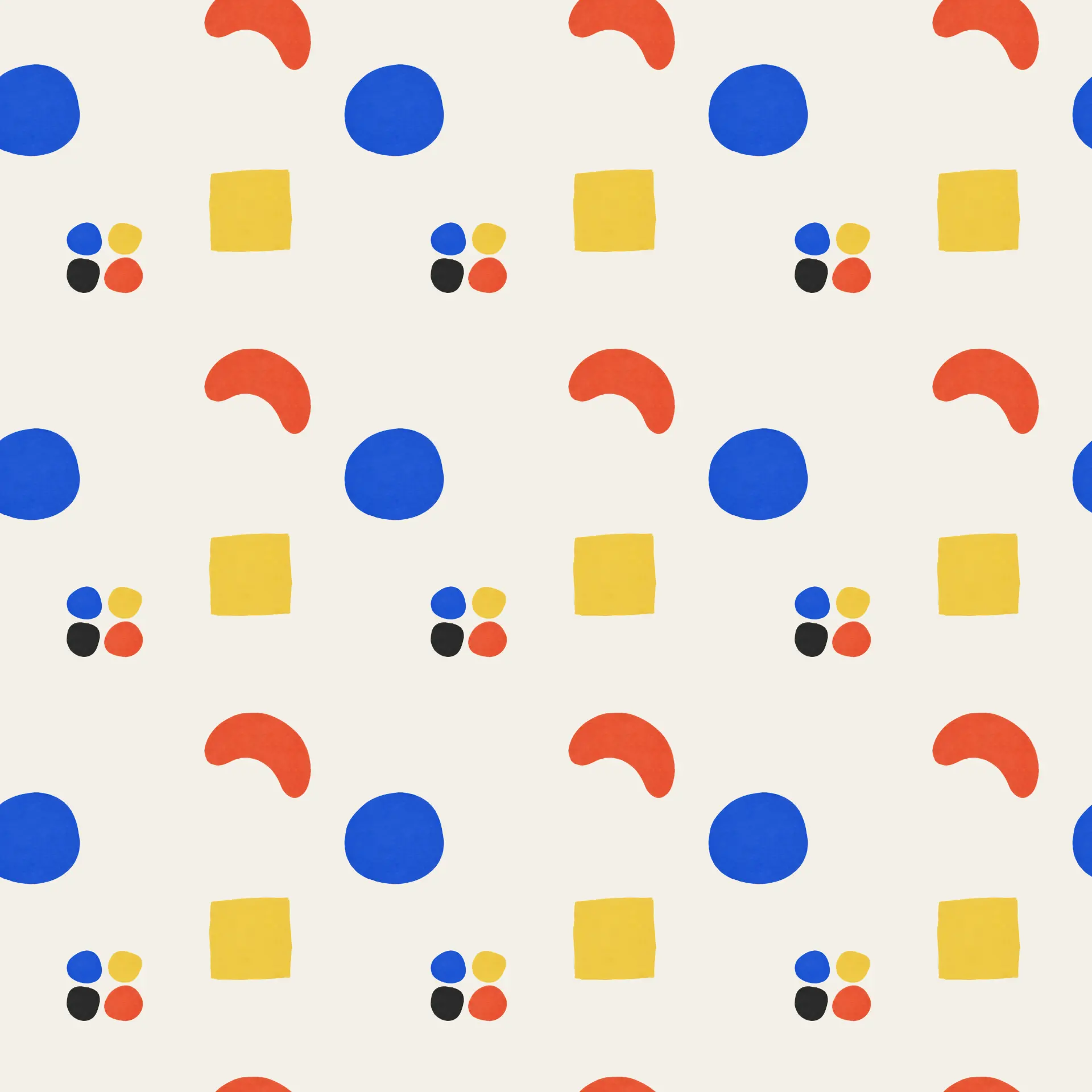
Expanded textile swatch showing the complete repeated motif rhythm.
Expanded Textile Swatch

03

From Textile to Garment

Expanded swatch of the fixed CUT / REPEAT textile system.
Textile System
Shirt-dress in the CUT / REPEAT textile, the fashion application of the textile system.
Fashion Application

04

Establishing the Baseline

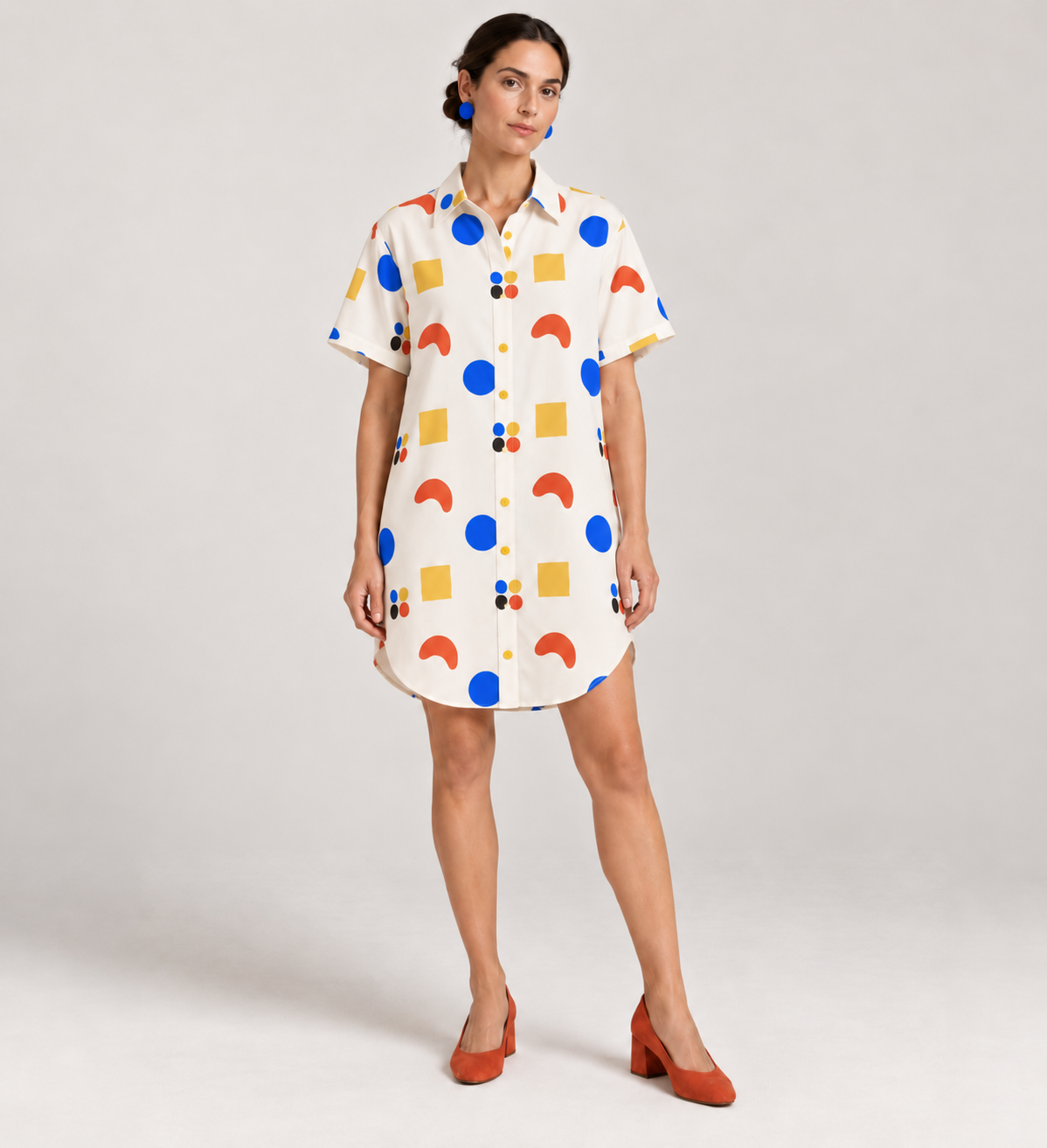
Approved baseline shirt-dress image: full figure with earrings and shoes against a neutral studio background.
Final Baseline Fashion Image

This image became the visual baseline against which later generations were compared.

Controlled elements

  • Model
  • Garment silhouette
  • Textile pattern
  • Styling
  • Background
  • Key colours

05

Consistency Tests

Test 01

Accessory / Movement Variation
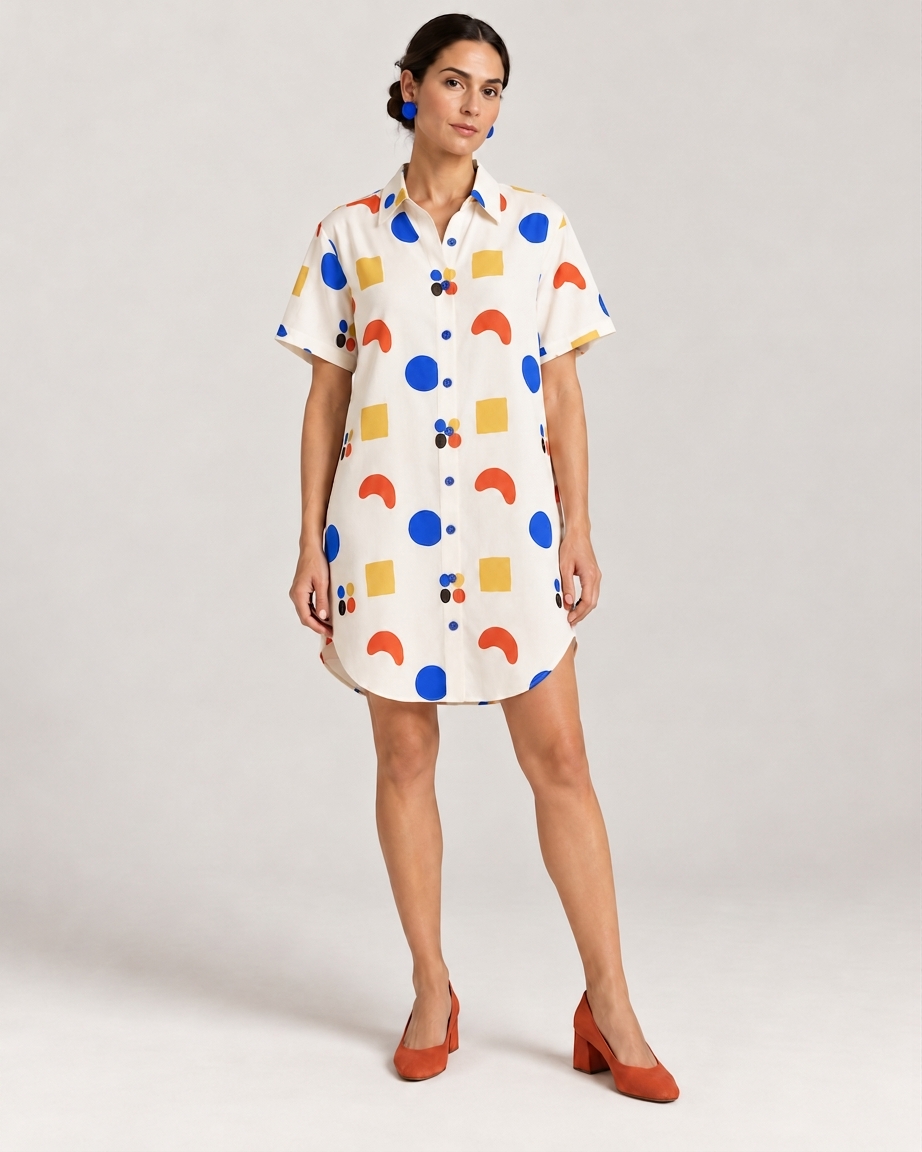
Approved baseline shirt-dress image used as the reference for comparison.
Baseline / Reference
Walking variation of the baseline shirt-dress, carrying a yellow woven handbag.
Variation 01 — Walking with Handbag
Held constant
Model identity, shirt-dress concept, textile motif family, earrings, shoes and studio setting.
Changed
Pose, movement and handbag accessory.

Observation

The textile identity remains recognisable while the pose and accessory introduce a more dynamic fashion image.
Test 02

Garment / Silhouette Variation

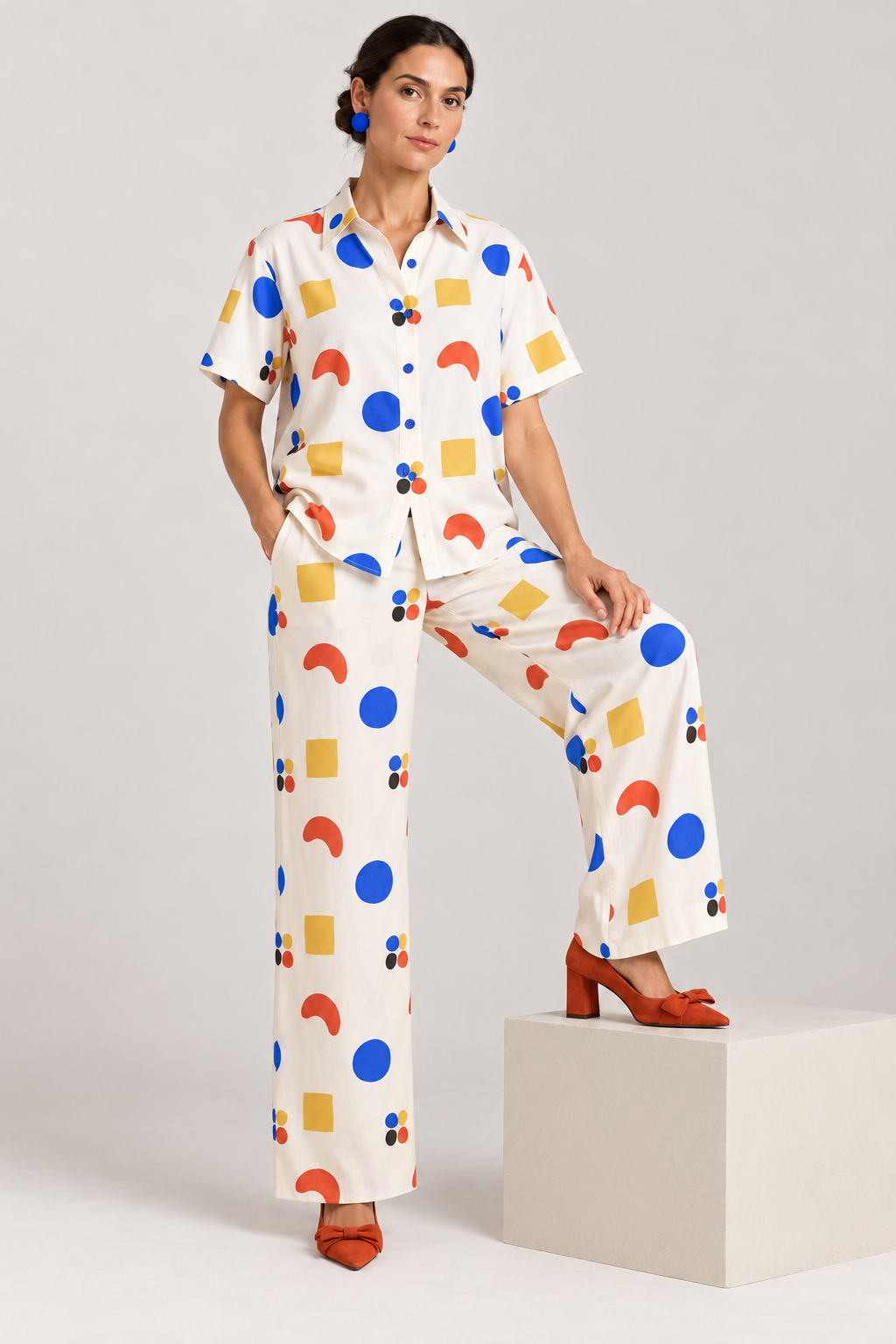
Approved baseline shirt-dress image used as the reference for comparison.
Baseline / Reference
Shirt and wide-leg trouser variation carrying the CUT / REPEAT textile.
Variation 02 — Shirt and Wide-Leg Trousers
Held constant
Model identity, textile motif family, colour palette, earrings and shoes.
Changed
Garment silhouette and pose.

Observation

The motif language remains identifiable, but transferring the print to a different garment structure introduces more variation in placement and scale.

06

Where Consistency Breaks

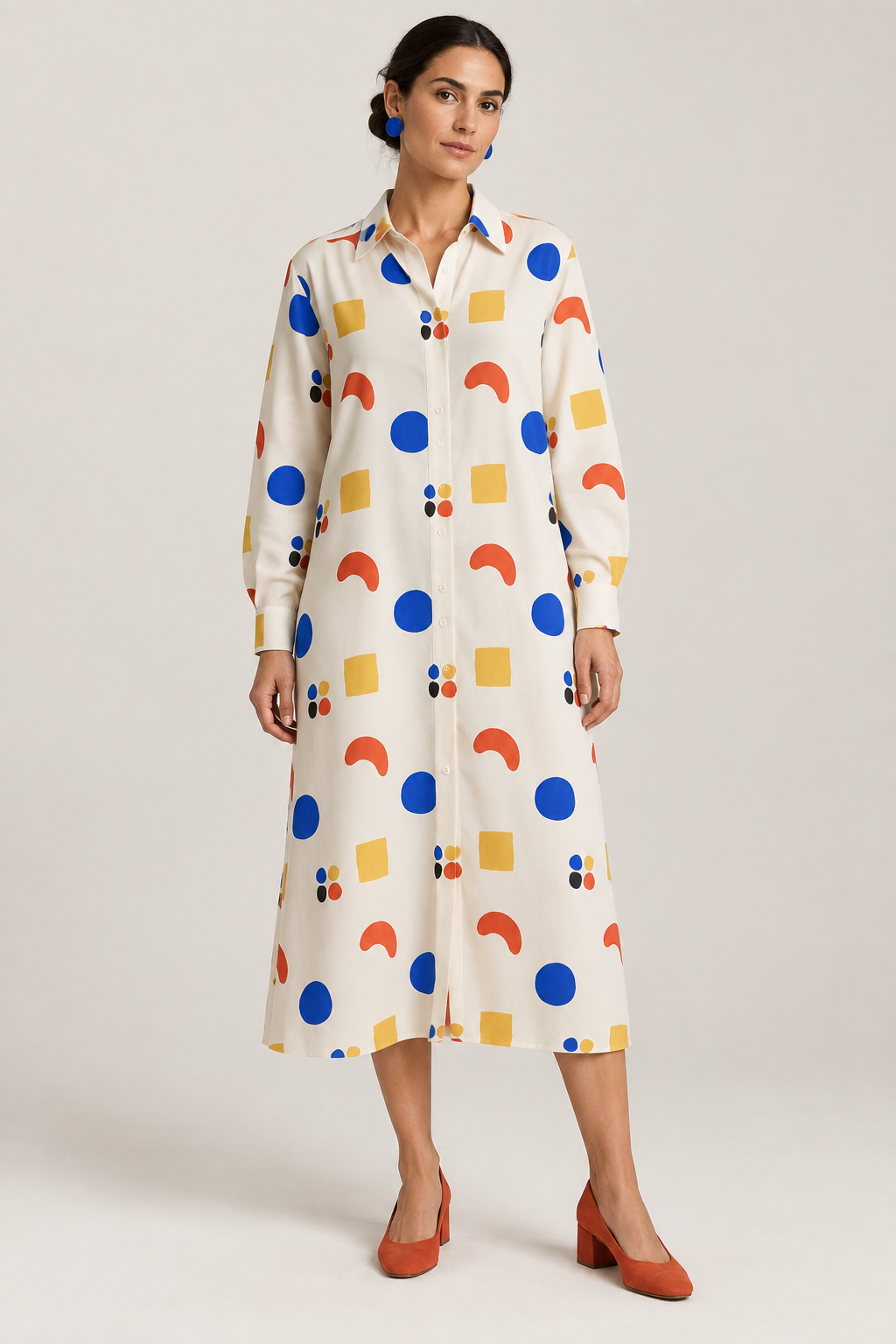
Early long-sleeve garment variation showing drift from the intended shirt-dress proportion.

Detail 01 — Early garment drift

An early generation shifted away from the intended shirt-dress proportion, showing how garment silhouette can drift even when the textile reference remains recognisable.

Short shirt-dress variation showing printed motifs interfering with the centre-front button line.

Detail 02 — Print / button confusion

Attempts to refine the centre-front button line began to interfere with the printed motifs, showing how local garment corrections can unintentionally alter the textile.

07

Workflow

  1. 01Fixed Textile Reference
  2. 02Baseline Image
  3. 03Controlled Prompt Change
  4. 04Generated Variation
  5. 05Visual Review
  6. 06Correction / Regeneration

Generated and iterated across ChatGPT and Gemini using fixed textile references and controlled prompt changes.

08

Selected Outcomes

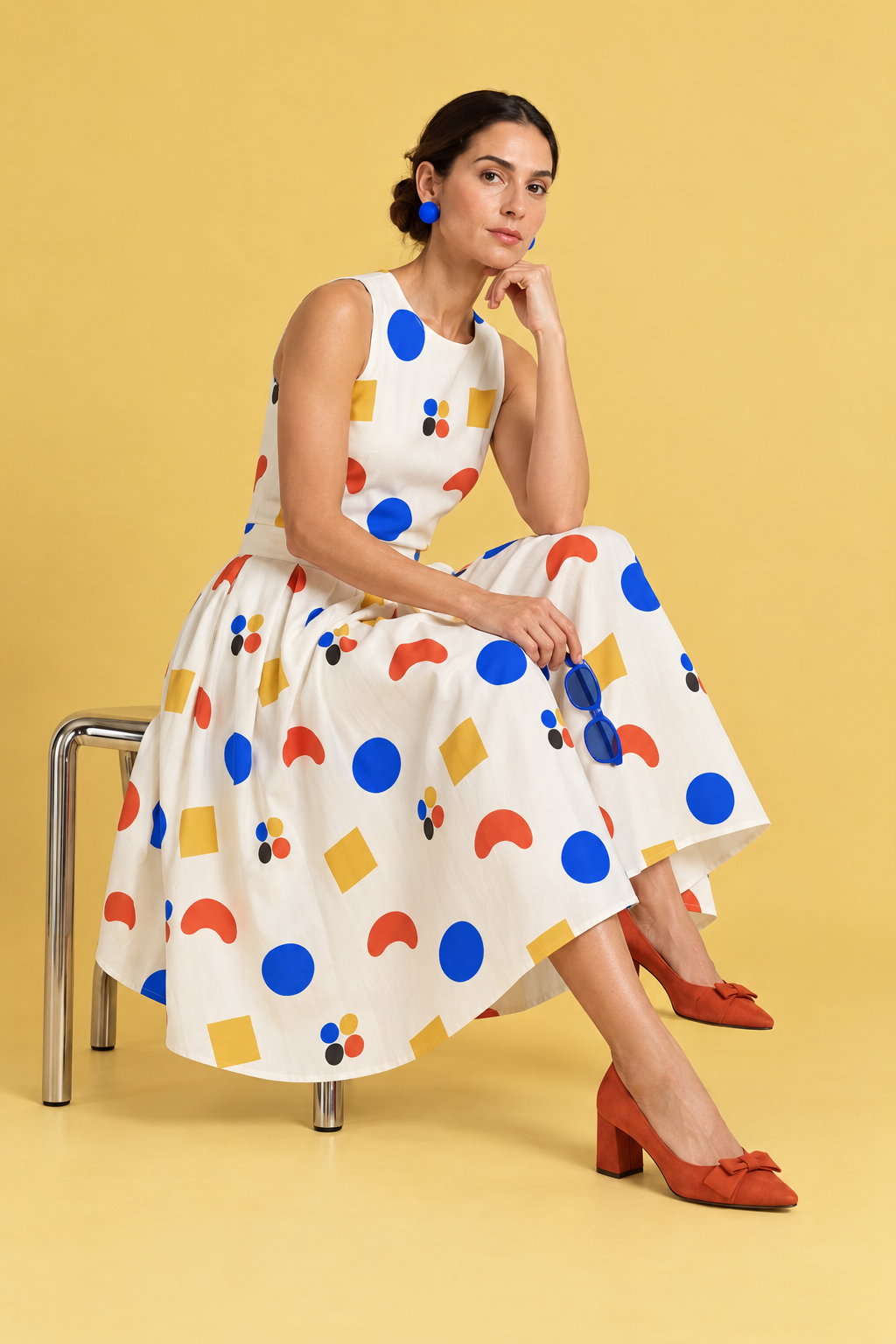
Seated full-skirt dress in the CUT / REPEAT textile against a warm yellow background.
Selected Outcome 01 — Garment Variation
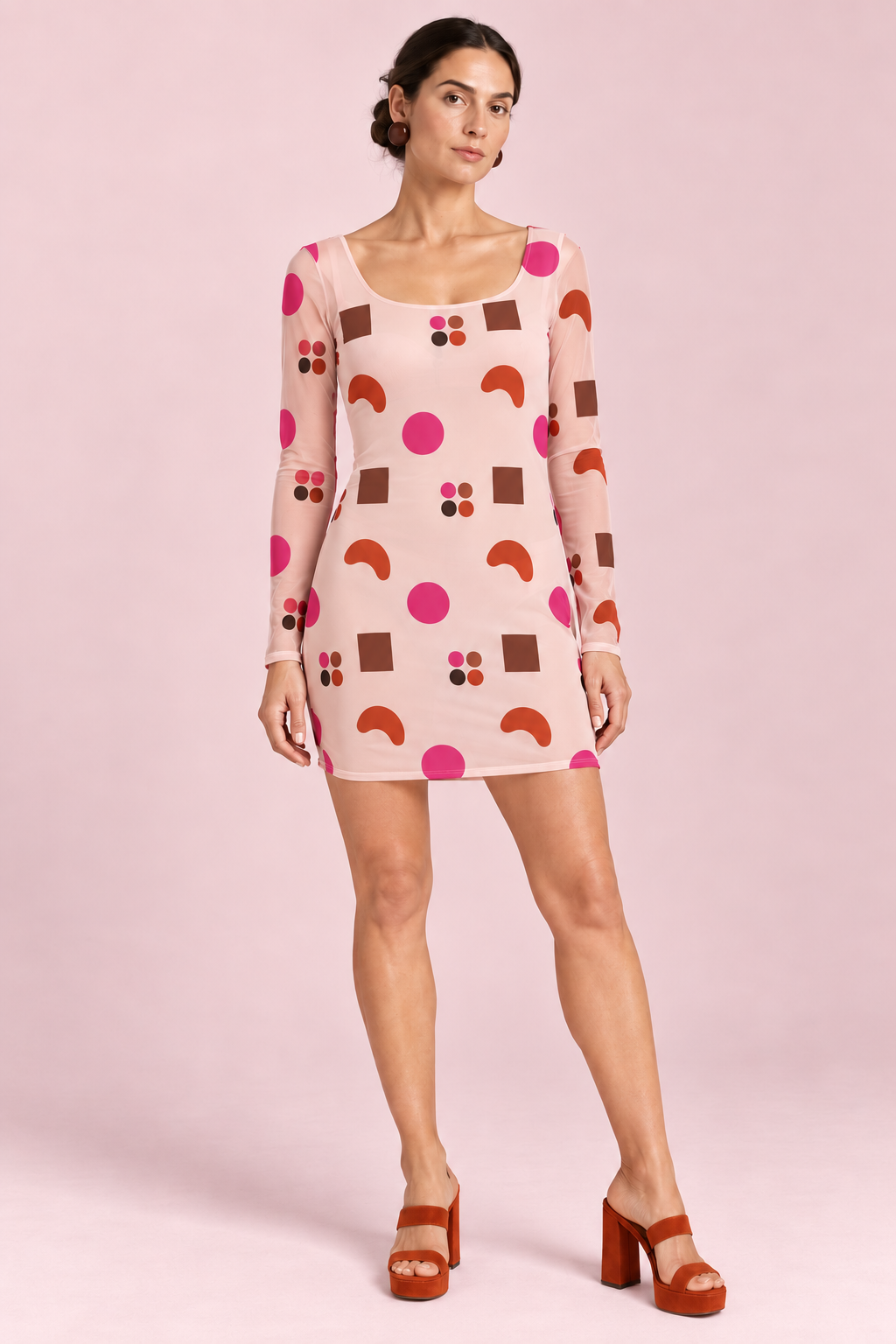
Long-sleeve mini dress in the CUT / REPEAT motif system on a pink palette, standing against a pink studio background.
Selected Outcome 02 — Palette Shift

An extended variation testing how the motif system behaves after a stronger change in colour palette and garment direction.

09

Reflection

The textile remained most consistent when the garment, model and image conditions stayed close to the baseline. Larger changes in silhouette, colour and garment details introduced more variation in the repeat and motif placement. The process required continuous visual review and design judgement to decide which changes were acceptable and when an image needed correction or regeneration.